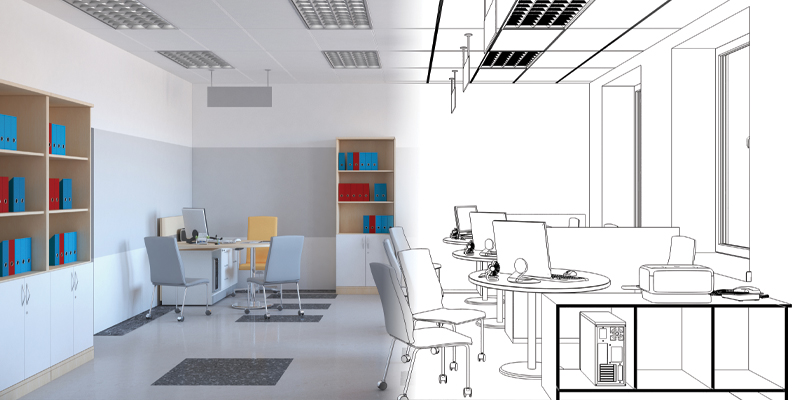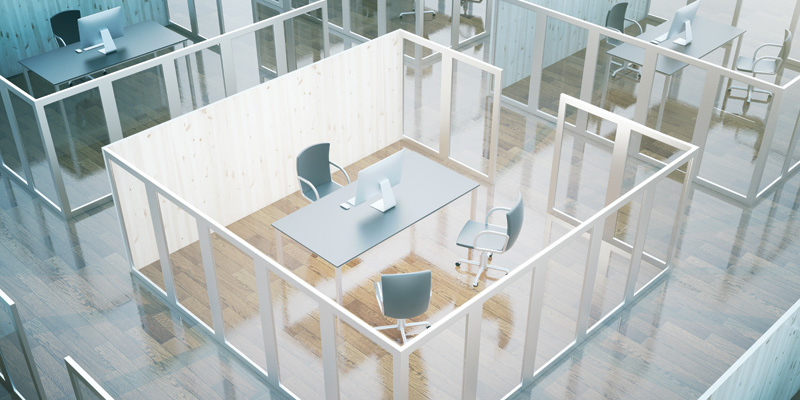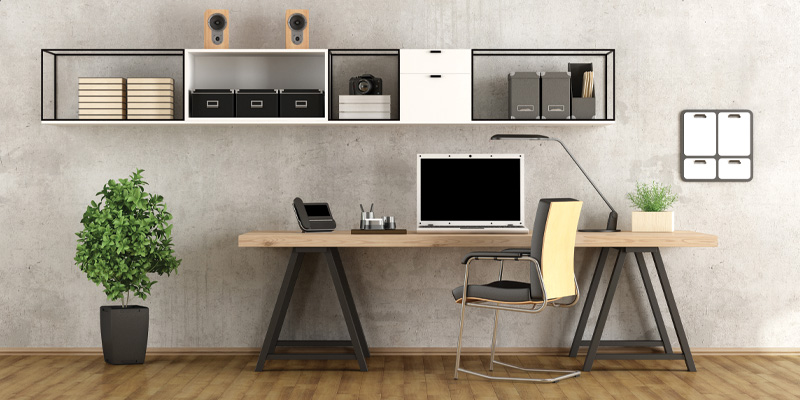
Latest Trends in Furniture design

Latest Trends in Furniture Design: Dive In with Desara

The world of business furniture is constantly evolving, with new trends emerging each year. These trends reflect changes in how we work and approach office design. In Bangalore, many business furniture companies offer a range of innovative products to meet the demands of modern workplaces. This article will discuss the latest trends in furniture design and highlight the top business furniture companies in Bangalore.

Latest Trends in Furniture design

In the ever-evolving world of business, office furniture plays a crucial role in creating an
environment that fosters productivity and innovation. Here are some of the latest trends in furniture design  that are gaining popularity:

Comfort is Key

Latest furniture blog

One of the most significant trends in business furniture is the importance of comfort. Business owners understand the importance of providing their employees with comfortable furniture that will help reduce the risk of back pain and other health issues. Chairs with adjustable lumbar support, ergonomic design, and padded seats are becoming increasingly popular. Additionally, standing desks are gaining popularity as they allow for better posture and can help reduce the risk of health issues associated with prolonged sitting.

Open Plan Workspaces

Latest furniture blog
Open-plan workspaces are becoming more popular in modern offices. This design encourages collaboration and communication among employees and requires furniture that can adapt to changing needs. Modular furniture, such as desks that can be easily moved and reconfigured, is perfect for open-plan workspaces. This type of furniture allows for more flexibility in the office, which can lead to increased productivity.

Smart Furniture

Latest furniture blog

The latest trend in business furniture is smart furniture. This furniture is designed to improve efficiency and productivity in the workplace. For example, desks with built-in charging ports and wireless charging capabilities are becoming more popular. Other smart furniture includes adjustable lighting and temperature controls. The use of technology in furniture can help businesses reduce energy costs and improve employee satisfaction.

Sustainability

Sustainability is an important consideration for many businesses. Eco-friendly furniture is becoming more popular, with many companies using recycled materials in their products. Furniture made from sustainable materials, such as bamboo and cork, is also becoming more popular. The demand for sustainable furniture is growing as more businesses recognize the importance of reducing their environmental impact.

Biophilic Design

Latest Trends in Furniture design
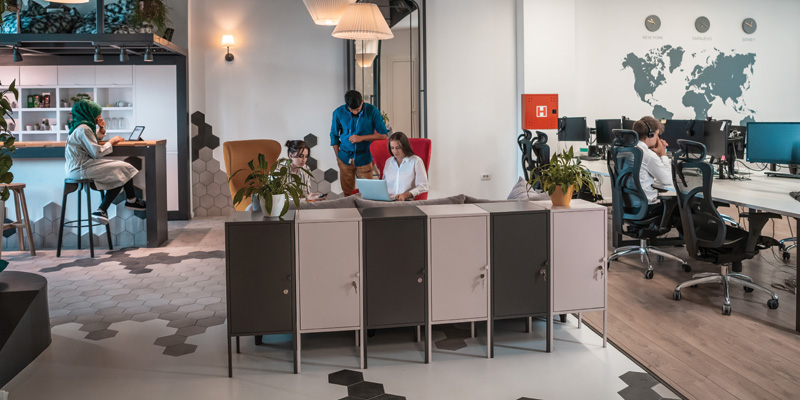
Biophilic design is a trend that involves bringing nature into the office. This design approach is based on the idea that humans have an innate desire to connect with nature. Furniture that incorporates natural materials, such as wood and stone, can help create a more calming and relaxing workspace. Additionally, adding plants to the office can improve air quality and reduce stress levels.

Colorful Furniture

Bright, bold colors are making a comeback in furniture. This trend is a departure from the traditional neutral tones that have been popular in the past. Colorful furniture can add personality to the office and create a more inviting and energetic atmosphere.

Multi-functional Furniture

Latest furniture blog

Multi-functional furniture is becoming more popular as businesses look for ways to maximize their space. Furniture that can be used for multiple purposes, such as a storage ottoman that doubles as a seat, is gaining popularity. This type of furniture is perfect for small offices or businesses that need to make the most of their space.

Innovative Designs

Innovation is key when it comes to furniture design. Many companies are experimenting with unconventional shapes and colors to create furniture that stands out. Futuristic designs, such as chairs with built-in tablets, are also being introduced to enhance productivity.

Top 5 Business Furniture Manufacturing Companies in Bangalore

As businesses continue to evolve and grow, there is an increasing demand for modern and functional furniture in the workplace. In Bangalore, a bustling city known for its thriving business community, several top furniture companies cater to this demand. Here are the top 5 business furniture companies in Bangalore:

1. Godrej Interio: Godrej Interio is a well-known brand in the furniture industry, offering a wide range of office furniture, including chairs, desks, cabinets, and workstations. They have a strong presence in Bangalore, with showrooms in various locations.

2. Featherlite: Featherlite is another popular furniture company in Bangalore, specializing in office furniture. Their range of products includes chairs, desks, workstations, and storage solutions. They are known for their innovative designs and commitment to sustainability.

3. HOF: HOF is a leading furniture brand in India, offering a wide range of products, including office chairs, desks, and workstations. They have a strong presence in Bangalore, with multiple showrooms in the city.

4. Durian: Durian is a well-known furniture brand, offering a wide range of office furniture, including chairs, desks, and storage solutions. They are known for their high-quality products and commitment to customer satisfaction.

5. Desara Design: Desara Design is a Bangalore-based furniture company that specializes in workspace product solutions, commercial interiors, and home solutions. The company offers customizable office furniture solutions and has a range of products for corporate, residential, institutional, and retail spaces.

Conclusion

The latest trends in furniture design reflect changes in how we work and approach office design. Comfort, open-plan workspaces, smart furniture, and sustainability are all important considerations for businesses looking to create a productive and efficient workplace. In Bangalore, many top business furniture companies offer a range of innovative products to meet the needs of modern workplaces.

FAQs:

The latest trend in business furniture is smart furniture, which incorporates technology to improve efficiency and productivity in the workplace.

When choosing office furniture, businesses should consider comfort, adaptability, sustainability,
and productivity.

Buying furniture from a top company in Bangalore ensures quality and durability of the products. These companies often provide customized solutions and after-sales service, which is beneficial for businesses in the long run.

Common materials used include wood, metal, glass, and plastic. Sustainable materials like bamboo and recycled plastic are also becoming popular.

Yes, many top business furniture companies in Bangalore offer customization services to their clients. This ensures that the furniture fits the specific needs and requirements of the business.

The quality of furniture can have a significant impact on employee productivity. Ergonomic designs and comfortable furniture can reduce strain and fatigue, leading to increased productivity and employee satisfaction.

Things to consider before buying furniture

What to Consider When Purchasing Office Furniture

When it comes to office furniture, there are several factors that need to be considered before making a purchase or rental decision. It’s important to choose furniture that not only looks good but also meets the functional needs of your workspace. In this article, we’ll discuss 13 important tips to look out for before purchasing or renting office furniture.

13 Important Tips to Consider When Purchasing Office Furniture

Whether you’re starting a new office or renovating an existing one, office furniture plays a crucial role in creating a productive and comfortable work environment. Choosing the right office furniture can be a daunting task, especially with the overwhelming range of options available in the market. However, by considering a few key factors, you can make an informed decision that meets the needs of your workspace.

Consider the Functionality of the Furniture

Things to consider before buying furniture
Before Purchasing Office Furniture, it’s important to determine the functionality you need. Think about the type of work that will be performed in the space and what kind of furniture would best support that work. For example, if you need a desk for computer work, you may need a desk with a keyboard tray or a CPU holder. If you’re planning on holding meetings in the space, consider investing in a conference table and chairs.

Determine Your Budget

Things to consider before buying furniture
Office furniture can be a significant expense, so it’s important to determine your budget before you start shopping. It is One of the Important Tips to Consider When Purchasing Office Furniture. Consider the amount of money you have available to spend and what type of furniture you need. Be sure to factor in additional costs such as delivery and installation.

Measure the Available Space

Things to consider before buying furniture

Before you start shopping for office furniture, it’s important to measure the available space. This will help you determine the size and quantity of furniture that will fit in the space. Be sure to measure doorways, hallways, and other areas where the furniture will need to be moved through to ensure it can be delivered and installed without any issues.

Choose the Right Material

Things to consider before buying furniture
Office furniture is available in a variety of materials, including wood, metal, and plastic. Each material has its own advantages and disadvantages, so it’s important to consider your needs when making a choice. For example, if you’re looking for furniture that is durable and long- lasting, metal or wood may be the best option.

Consider Ergonomics

Things to consider before buying furniture
Ergonomics is an important factor to consider when purchasing office furniture. Ergonomic furniture is designed to support the natural movements and postures of the body, reducing the risk of strain or injury. Consider investing in ergonomic chairs, desks, and keyboards to ensure a comfortable and healthy workspace.

Think About Aesthetics

Things to consider before buying furniture
While functionality and ergonomics are important, aesthetics are also key factors to consider. Your office furniture should reflect the style and brand of your business while also creating a welcoming and professional environment.

Consider the Brand Reputation

Things to consider before buying furniture
Before making a purchase, it’s important to research the brand of the furniture you’re considering. Look for brands with a reputation for quality and durability. This will help ensure that your investment will last for years to come.

Think About Maintenance

Office furniture requires maintenance to ensure its longevity. Consider the cleaning and maintenance requirements of the furniture you’re considering before making a purchase. Furniture that is easy to clean and maintain will save you time and money in the long run.

Check for Warranty

Things to consider before buying furniture
Before making a purchase, be sure to check the warranty offered by the manufacturer or retailer. A warranty will provide you with protection against defects and other issues that may arise with the furniture. Look for warranties that cover a reasonable period of time and that provide adequate coverage for potential issues.

Consider the Environment

When purchasing office furniture, it’s important to consider the environmental impact of your choices. Look for furniture made from sustainable materials or that has been certified as environmentally friendly. This will help reduce your business’s carbon footprint and promote sustainability.

Delivery and Installation

Before making a purchase, consider the delivery and installation options offered by the retailer or manufacturer. Some companies offer free delivery and installation, while others may charge an additional fee. Be sure to factor in these costs when determining your budget.

Think About Future Needs

When purchasing office furniture, it’s important to think about your future needs. Consider whether your business is likely to grow or change in the future and whether your furniture needs will change as a result. Purchasing furniture that can be easily modified or added to in the future can help you avoid the need for a complete furniture overhaul down the line.

Read Reviews and Ratings

Before making a purchase, be sure to read reviews and ratings from other customers. This will help you get a sense of the quality and performance of the furniture you’re considering. Look for reviews that discuss the durability, comfort, and overall value of the furniture.

Conclusion

Choosing the right office furniture is an important decision that can impact the productivity and comfort of your workspace. By considering the functionality, budget, space, material, ergonomics, aesthetics, brand reputation, maintenance, warranty, environment, delivery and installation, future needs, and reviews and ratings, you can make an informed decision that meets your needs.

FAQs:

The budget for office furniture will vary depending on the needs of your workspace. Be sure to factor in additional costs such as delivery and installation.

The best materials for office furniture depend on your needs. Consider factors such as durability
and aesthetics when making a decision.

Look for an ergonomic chair that supports the natural movements and postures of the body,
reducing the risk of strain or injury.

Check the warranty to see if repairs are covered. If not, contact a professional furniture repair
service.

Regular cleaning and maintenance can help ensure the longevity of your office furniture. Be sure to follow the manufacturer’s guidelines for care and maintenance.

office furniture

Office Furniture Designs: Types and Advantages

Choosing the right Office Furniture Design is crucial for creating a comfortable and productive workspace. The right furniture can also make a significant impact on the overall aesthetic appeal of the office. In this blog post, we’ll discuss the different types of office furniture designs available and their advantages to help you make an informed decision.

Traditional Office Furniture

office furniture
Traditional office furniture is often associated with classic, timeless designs that convey a sense of prestige and authority. This type of furniture typically features dark wood finishes, leather upholstery, and ornate details. Traditional furniture can give a workspace a more formal, prestigious feel and is often used in executive offices, law firms, and financial institutions. While traditional furniture is often more expensive than other types of furniture, it can also be very durable and long-lasting.
Advantages of Traditional Furniture

Timeless appeal: Traditional furniture has a classic and timeless appeal that always stays in style.
High-quality materials: Traditional furniture is often made from high-quality materials, such as solid wood, leather, and brass, ensuring durability and longevity.
Elegance: Traditional furniture has a sense of elegance and sophistication that can add a touch of class to any workspace.

Contemporary Office Furniture

office furniture

Contemporary office furniture is characterized by its modern, sleek designs and minimalistic aesthetic. This type of furniture often features clean lines, metal accents, and bright, bold colors. Contemporary furniture can give a workspace a modern, upbeat feel and is often used in creative industries such as advertising, media, and tech. Contemporary furniture is typically more affordable than traditional one and can be a great option for businesses on a budget.

Advantages of Contemporary Furniture

Modern look: Contemporary furniture has a sleek, modern look that can add sophistication and style to a workspace.
Versatility: Contemporary furniture is often designed to be flexible and adaptable,
allowing for easy reconfiguration of workspace layouts.
Technology-friendly: Contemporary furniture often includes features that cater to modern technology, such as built-in charging ports and cable management systems.

Executive Office Furniture

office furniture

Executive furniture is designed to convey prestige and status, often featuring high-end finishes and luxurious materials such as leather and wood. This type of furniture is typically used in executive offices and boardrooms and can include items such as desks, chairs, and conference tables.

Executive furniture can help create a professional, authoritative atmosphere and is often used to impress clients and business partners. While executive furniture can be expensive, it can also be a worthwhile investment for businesses wanting to convey prestige and success.

Advantages of Executive Furniture

Prestige: Executive furniture is designed to convey prestige and status, making it an
ideal choice for high-level executives and managers.
Comfort: Executive furniture often features high-quality materials and ergonomic
designs, providing a comfortable and supportive workspace.
Durability: Executive furniture is typically made from high-quality materials, ensuring
durability and longevity.

Ergonomic Office Furniture

office furniture

Ergonomic furniture is designed to provide the best possible support and comfort to employees, which helps reduce the risk of workplace injuries such as back pain and carpal tunnel syndrome.

These furniture items are adjustable, allowing the user to modify the chair or desk to fit their body shape and size and provide the best support for their posture. Ergonomic chairs and desks often come with adjustable features like height and tilt, lumbar support, and armrests to help employees maintain a comfortable and healthy posture. Investing in ergonomic furniture can increase productivity, reduce absenteeism, and lower healthcare costs in the long run.

Advantages of Ergonomic Furniture

Comfort: Ergonomic furniture is designed to provide maximum comfort and support,
reducing the risk of discomfort or injury.
Health benefits: Ergonomic furniture can help prevent common office-related injuries, such as carpal tunnel syndrome and back pain.
Increased productivity: Comfortable employees are more productive, and ergonomic
furniture can help increase productivity by reducing discomfort and fatigue.

Modular Office Furniture

office furniture

Modular furniture is a popular choice for businesses with changing needs, as it allows for flexibility and customization. This type of furniture can be easily reconfigured and adjusted to suit different workspace layouts and employee needs. Modular furniture is often made up of interchangeable parts, such as desks, cabinets, and shelving units, that can be arranged and combined in various ways. The advantages of modular furniture include cost-effectiveness, flexibility, and the ability to adapt to changing business needs.

Advantages of Modular Furniture
Customization: Modular furniture allows for easy customization and reconfiguration of workspace layouts, making it an ideal choice for companies that frequently change their office layout.
Cost-effective: Modular furniture is often less expensive than traditional one, making it a cost-effective option for companies on a budget.
Space-saving: Modular furniture is designed to maximize space, making it an ideal
choice for small or shared workspaces.

How To Choose the Right Office Furniture

office furniture

Choosing the right office furniture is an important decision that can significantly impact your employees comfort, productivity, and overall well-being. Here are some factors to consider when selecting the right furniture:

Workspace Size and Layout
Consider the size and layout of your workspace when choosing office furniture. For smaller workspaces, modular furniture may be the best choice as it is space-saving and customizable. On the other hand, larger executive offices may require traditional or executive furniture to convey prestige and status.

Type of Work Done in the Area

The type of work that will be done in the area is also important when selecting office furniture. If your employees spend a lot of time sitting, ergonomic furniture can help prevent workplace injuries and improve comfort and productivity.

Employee Comfort and Well-being
Prioritizing the comfort and well-being of your employees is crucial when choosing office furniture. Ergonomic office chairs and adjustable desks can help reduce the risk of workplace injuries such as back pain and carpal tunnel syndrome. Overall Aesthetic
Consider the overall aesthetic of your workspace when selecting office furniture. Contemporary furniture may be the best choice to convey a modern, sleek look. Alternatively, traditional or executive furniture may be more suitable if you want to convey prestige and status.

Budget
Your budget is another important factor to consider when selecting office furniture. A modular furniture is often a cost-effective option, while traditional and executive furniture can be more expensive.

Conclusion

Choosing the right office furniture can significantly impact the productivity, comfort, and well- being of employees, as well as the overall aesthetic appeal of the workspace. Whether you prefer traditional, contemporary, or executive furniture, various designs and styles are available to suit your needs. Consider the needs of your employees and the overall aesthetic of your workspace when choosing furniture to ensure that you make the right choice.

FAQs:

Modular furniture is often the best choice for small workspaces, allowing easy customization and space-saving.

Yes, ergonomic furniture is designed to promote good posture and reduce the risk of workplace injuries such as back pain and carpal tunnel syndrome.

It depends on the materials used and the complexity of the design. Traditional furniture is often made from high-quality materials and can be more expensive, while contemporary furniture can be simpler in design and, therefore, less expensive.

While executive furniture is designed to convey prestige and status, it can be suitable for any workspace with an elegant and sophisticated look.

Choosing the right furniture can impact employee productivity by providing a comfortable and supportive workspace that promotes good posture and reduces discomfort and fatigue.

enemies of wood

6 Ultimate Enemies of Your Wood Furniture and How to Avoid Them

Wood furniture is a valuable investment that can last for generations with proper care. Whether you have an antique heirloom or a brand new piece, it’s essential to protect it from the enemies of wood furniture. In this blog post, we’ll explore in detail the most common enemies of wood furniture and provide tips on how to avoid them.

6 Ultimate Enemies of Wood Furniture and How to Avoid Them

Wooden furniture is a beautiful and timeless addition to any home, but it requires proper care and attention to ensure it lasts for years to come. There are several enemies of wooden furniture that can cause damage and wear over time. Here you can check 6 Ultimate Enemies of Your Wood Furniture and How to Avoid Them

Moisture and Humidity

Wood Enemies
Moisture and humidity are the top enemies of wood furniture. Wood is a porous material that can absorb moisture, which can cause it to warp, crack, or rot. Humidity can also cause swelling, which can weaken the wood’s structure and attract pests like termites. To avoid moisture and humidity damage, it’s essential to keep your wood furniture in a dry and well-ventilated area. Avoid placing it near windows or in damp areas like basements or attics. Use a dehumidifier to control the humidity levels in your home, especially during the summer months. You can also use a humidifier during the winter months to keep the air in your home moist. If you live in a humid climate, consider investing in furniture made from hardwoods like oak, teak, or mahogany. These woods are less likely to absorb moisture and are more resistant to humidity damage.

Sunlight

Wood Enemies

Sunlight is another enemy of wood furniture, as it can cause the color of your wood furniture to fade and even crack its finish. UV rays can break down the wood’s natural fibers, making it more vulnerable to damage. To protect your wood furniture from sunlight damage, you can use window treatments like blinds or curtains to block out direct sunlight. You can also apply a UV-resistant finish to your wood furniture to protect it from harmful rays.

Scratches and Dents

Wood Enemies
Wood furniture can easily get scratched or dented, especially if you have kids or pets in your home. These can be unsightly and can also weaken the wood’s structure over time. To avoid scratches and dents, you can use furniture pads under the legs of your furniture to prevent scratches on your floors. You can also use coasters and placemats to protect your furniture from scratches and spills. If you do get a scratch on your wood furniture, you can use a touch-up marker or wood filler to conceal it. For deeper scratches or dents, you may need to hire a professional furniture repair specialist.

Dust and Dirt

Wood Enemies

Dust and dirt can accumulate on your wood furniture over time and can scratch its surface if not cleaned regularly. They can also attract pests like termites, which can damage your furniture. To avoid dust and dirt damage, you should dust your wood furniture regularly with a soft cloth or a duster. You can also use a slightly damp cloth to remove dirt and grime from its surface. If you have wood furniture with intricate carvings or details, use a soft-bristled brush to get into the crevices and remove any dust or dirt. Avoid using harsh chemicals or abrasive cleaners, as they can damage the finish of your furniture.

Chemicals and Cleaners

Wood Enemies

Chemicals and harsh cleaners can damage the finish of your wood furniture and cause discoloration or even warping. Avoid using products like bleach or ammonia, which can strip the wood of its natural oils. To clean your wood furniture, use a mild soap and water solution or a specialized wood cleaner. Always test the cleaner on a small, inconspicuous area first to make sure it doesn’t damage the finish. If you have stubborn stains on your wood furniture, you can use a mixture of baking soda and water to create a paste. Apply the paste to the stain, and let it sit for a few minutes before wiping it away with a damp cloth.

Insects and Pests

insects and pests
Insects and pests are a serious enemy of wood furniture. Termites, carpenter ants, and beetles can cause extensive damage to your furniture if left untreated. They can eat away at the wood and weaken its structure, making it more prone to cracking or breaking. To prevent insect and pest damage, you should inspect your wood furniture regularly for signs of infestation. Look for small holes in the wood, piles of sawdust, or the presence of live insects. If you suspect an infestation, contact a professional pest control specialist immediately. You can also take preventive measures to protect your wood furniture from insects and pests. Use insect repellent sprays or natural oils like cedar or lavender to deter insects from nesting in your furniture. You can also use a furniture protector that contains a pest repellent.

FAQs:

Yes, minor scratches and dents can be fixed by using a wooden filler or touch-up pen that matches the color of your furniture. However, deep scratches or dents may require professional repair.

Yes, furniture polish can be used to protect and enhance the appearance of your wooden furniture. However, be sure to use a polish that is specifically designed for wooden furniture and follow the manufacturer’s instructions.

To protect your wooden furniture from sunlight, you can use window treatments like blinds or curtains to block direct sunlight. You can also move your furniture away from windows or use UV-blocking film on your windows.

You should clean your wooden furniture regularly to remove dust and dirt buildup. How often you clean your furniture depends on how frequently it is used and how much dust and dirt accumulates. As a general rule, you should dust your wooden furniture at least once a week and do a deep cleaning every six months.

While vinegar is a natural cleaner that can be used on many surfaces, it should not be used to clean wooden furniture. The acidity of vinegar can damage the finish of wooden furniture and cause discoloration. Instead, use a wooden-specific cleaner that is pH-balanced for your furniture.

Conclusion

Wood furniture is a beautiful and valuable investment that can last for generations with proper care. However, it’s essential to protect it from the enemies of wood furniture, including moisture and humidity, sunlight, scratches and dents, dust and dirt, chemicals and cleaners, and insects and pests. By following the tips and strategies outlined in this blog post, you can keep your wood furniture in excellent condition for years to come. Regular maintenance and preventive measures can go a long way in protecting your furniture from damage and ensuring that it remains a cherished piece in your home.

gallery wall and wall hangings

5 Tips for Selecting Gallery Wall and Decor For Your Office

When it comes to office decor, the walls are often overlooked. But they are a blank canvas for showcasing your brand identity, inspiring creativity, and creating a welcoming environment. A well-decorated workspace can also boost productivity and morale, making it a win-win for both clients and employees.
In this article, we’ll explore 5 tips for selecting office room wall decoration ideas that will elevate your workspace and make it more inviting. We’ll cover topics such as wall hangings for office rooms, fun office wall decoration, and cubicle wall ideas.

Choose a Theme that Aligns with Your Brand Identity

gallery wall and decor
One of the most important factors to consider when selecting workspace wall decor is the theme. You want to choose a theme that aligns with your brand identity and the message you want to convey. For example, if you’re a creative agency, you may want to choose artwork that showcases innovation and creativity. On the other hand, if you’re a law firm, you may want to select more traditional artwork that exudes professionalism and sophistication.

Consider the Layout and Placement

gallery wall and decor
The layout and placement of your office room wall decoration are critical elements that can make or break your display. You want to create a cohesive and balanced arrangement that complements your workspace’s design. Some popular office room wall decor ideas include using a grid layout, a salon-style layout, or a symmetrical layout. Consider the size and shape of your wall when selecting a layout. You want to make sure the artwork is spaced out evenly and isn’t too cluttered.

Mix and Match Different Art Styles and Wall Hangings

gallery wall and decor
Mixing and matching different art styles and wall hangings can add visual interest and texture to your workspace. Consider incorporating different mediums like photography, prints, paintings, and sculptures. You can also mix different frames, sizes, and colors to create a unique and eclectic look. Wall hangings for office rooms can include anything from tapestries to framed motivational quotes.

Add Some Fun Office Wall Decor

Adding some fun office wall decor can boost morale and add some personality to your workspace. You can incorporate fun office wall decors elements such as chalkboards, whiteboards, or corkboards. These elements can be used to display important information or to showcase employee accomplishments. Another idea is to use removable wall decals or stickers to add a pop of color and personality to your workspace. Adding some fun office wall decor Ideas can help create a more relaxed and comfortable atmosphere in your workspace.
Here are some fun office wall decor Ideas:
1. Wall Decals: Wall decals are a fun and easy way to add some personality to your office walls. They come in a variety of designs and can be easily removed or replaced.
2. Vintage Posters: Vintage posters are a great way to add some retro flair to your office. Choose posters that feature vintage advertisements, travel posters, or pop culture icons.

Don't Forget About Cubicle Wall Ideas

gallery wall and decor

If your workspace includes cubicles, don’t forget about cubicle wall ideas. Cubicle walls are a great place to display artwork, inspirational quotes, or photos. You can also use cubicle wall
accessories such as desk organizers, file holders, or planters to add some personality and functionality to your workspace.

There are plenty of cubicle wall ideas that can help create a more inviting environment.
Here are some ideas to consider:
1. Bulletin Boards: Bulletin boards are a great way to display important information and keep yourself organized. You can also use them to showcase personal items, such as photos or mementos.
2. Adhesive Hooks: Adhesive hooks can be used to hang smaller decor items, such as framed photos or motivational posters, on your cubicle walls. This can help personalize your workspace and make it feel less generic.

FAQs:

The number of pieces you include in your workspace wall decor depends on the size of your wall and the layout you choose. As a general rule, it's best to include an odd number of pieces for a balanced display.

Yes, mixing different art styles and wall hangings can create an eclectic and interesting display. Just make sure the artwork complements each other and fits within your selected theme.

Some fun office wall decor ideas include using chalkboards, whiteboards, or corkboards. These elements can be both functional and decorative, allowing employees to showcase their creativity or display important information. You can also incorporate playful artwork, such as colorful prints or whimsical sculptures, to add some personality to your workspace.

To incorporate your brand identity into your workspace wall decor, consider using colors, typography, and imagery that align with your brand. You can also incorporate your company’s logo or mission statement into your display. This will create a cohesive and unified look that reinforces your brand identity.

There are many different types of wall hanging options for office rooms, including framed artwork, tapestries, mirrors, and shelving units. You can also use wall-mounted storage solutions, such as filing systems or organizers, to maximize your space and keep your office clutter-free.

There are no hard and fast rules for selecting office room wall decor ideas. However, it’s important to consider the size of your wall, the layout of your space, and the message you want to convey. You also want to make sure your display complements your existing decor and doesn’t overwhelm the space.

When selecting a wall hanging for your office room, consider the size of your wall and the purpose of the space. You may want to choose a large statement piece for a conference room or reception area, while a smaller, more personal piece may be more appropriate for a private office or cubicle. You should also think about your brand identity and choose artwork or decor that aligns with your company’s values and mission.

Bonus Tip: Incorporate Greenery

gallery wall and decor

Plants are a great addition to any workspace as they provide numerous benefits. They help purify the air, reduce stress levels, and increase productivity. Adding plants to your gallery wall or office decor can make your workspace feel more relaxed and natural.

When selecting plants, consider their lighting and maintenance requirements. Some plants require more sunlight than others, while some thrive in low-light conditions. Choose plants that are easy to care for and don’t require too much attention. Succulents, snake plants, and spider plants are great options for low-maintenance greenery.

Incorporating plants into your gallery wall can be as simple as a wall hanging small planters or using wall-mounted planters for your office room. You can also place plants on shelves or desks for an added touch of greenery.

Conclusion:

Your office wall decor can have a significant impact on your workspace's overall look and feel. By selecting artwork and wall hangings that align with your brand identity, creating a cohesive layout, mixing and matching different art styles, adding some fun office wall decor elements, and incorporating cubicle wall ideas, you can create a space that inspires creativity, productivity, and a sense of community. Take the time to explore different options and experiment with different layouts until you find the perfect gallery wall and decor for your office.

office layout design

What’s Your Office Layout design

When it comes to office design, the layout is one of the most critical factors that impact employee satisfaction, productivity, and collaboration.
Choosing the right office layout design is not only a matter of aesthetics but also of functionality, comfort, and well-being. From open-plan offices to cubicles, shared spaces, and private offices, each layout has its benefits and drawbacks.
Therefore, it’s essential to evaluate your needs, goals, and company culture to find the best fit.
In this article, we’ll explore some of the most popular office layout styles and help you determine which one is right for you.

What's Your Office Layout Design?

office layout design
When it comes to creating an efficient and comfortable workplace, the office layout design plays a crucial role. A well-planned office floor plan can increase productivity, boost morale, and enhance communication among employees. That’s why it’s essential to have an office plan that meets the needs of your company and employees.

What are the Main Objectives of Office Layouts?

When designing an office floor plan, it’s important to consider several aspects to ensure that it meets the minimum standards or objectives for a good layout.
The primary goal of an office floor plan is to streamline workflow while keeping employee satisfaction in mind.
The following are the main objectives of an office floor plan or layout:
1. Efficient use of floor space: An office layout should ensure proper and effective use of
the available floor space.
2. Better supervision and control: The layout should facilitate managers with better
supervision and control of their workforce.
3. Steady workflow: The layout should ensure a steady and effective workflow to increase production.
4. Comfortable work environment: The layout should provide a wholesome environment for employees to make them feel safe and comfortable at the workplace.
5. Better communication: The layout should facilitate better inter-communication between various departments by interlinking them as needed.
6. Privacy: The layout should provide adequate privacy for staff working on confidential projects.
7. Noise reduction: The layout should ensure a disturbance-free working environment by insulating the floor from external noises.
8. Future expansion: The layout should include provisions for the future expansion of the company.

To achieve these objectives, a well-planned office floor plan is essential. Proper planning can help ensure that the office layout design is of high quality and meets the required standards.
Ultimately, a good office plan can be a great asset to any business, contributing to increased productivity, employee satisfaction, and overall success.

How can I determine which office layout style is right for my company?

To determine which office floor plan style is right for your company, you need to consider several factors, such as:
Company culture: What are your company values, goals, and vision? Do you prioritize
collaboration, innovation, or individual achievement?
Employee preferences: What are your employees work styles, tasks, and preferences?
Do they need privacy, social interaction, or flexibility?
Space limitations: What is the size and shape of your office space? Do you have enough room for all the necessary amenities and equipment?
Budget constraints: What is your budget for office design and furniture? Can you afford to invest in high-end materials and technology, or do you need to prioritize cost-effectiveness?
Industry norms: What are the prevailing layout styles in your industry? Do you need to follow or challenge the norms?

By evaluating these factors, you can narrow down your options and choose the office floor plan style that aligns with your needs, goals, and resources.

7 Best Types of Layouts to Consider

When deciding on an office layout design, it’s important to consider the needs and preferences of your employees. Conducting surveys or focus groups can help you gather valuable feedback and insights into what your employees want in their workplace. By incorporating their input into your office plan, you can create a workspace that meets their needs and fosters productivity and satisfaction.
You can consider the below layout design for your office.

Open Plan Office Layout:

office layout design

One popular office layout plan is the Open Plan Office Layout. An Open Plan Office Layout is characterized by a large, open space that accommodates multiple workstations, collaborative areas, and shared amenities. This type of layout is ideal for teams that need to communicate and interact frequently, as it fosters a sense of community and encourages collaboration. However, it can also be distracting and noisy, making it less suitable for tasks that require concentration and privacy.

Cubicle Office Layout:

office layout design

A cubicle layout features individual workstations separated by partitions that provide privacy and sound insulation. This type of layout is useful for employees who need to focus on their tasks without distractions or interruptions. However, it can also feel cramped and isolated, making it less suitable for teams that require frequent communication and collaboration.

Team-Based Office Layout:

office layout design

A team-based layout is designed around functional teams or departments that need to work closely together. This type of layout features designated areas for each team, with shared amenities and collaborative spaces. It promotes teamwork and productivity, but it can also create silos and hinder communication between teams.

Co-Working Office Layout:

office layout design

A co-working layout is a flexible and dynamic workspace that accommodates multiple companies and individuals in a shared environment. This type of layout is ideal for startups, freelancers, and remote workers who need a professional and collaborative setting without the overhead of a traditional office. It fosters networking and innovation, but it can also be noisy and chaotic.

Home Office Layout:

office layout design

A home office layout is a personal workspace within your home that allows you to work remotely and independently. This type of layout is ideal for employees who need flexibility and autonomy, as it eliminates commuting and provides a comfortable and familiar setting. However, it can also be isolating and distracting, especially if you have family members or roommates around.

Hybrid Office Layout:

office layout design

A hybrid layout combines multiple types of layouts to create a flexible and adaptable workspace that meets the needs of different teams and individuals. This type of layout allows you to switch between open spaces, private offices, and shared amenities as needed, depending on your tasks and preferences. It provides the best of both worlds, but it also requires careful planning and coordination.

Activity-Based Office Layout:

office layout design

An activity-based layout is designed around specific activities and tasks, such as brainstorming, quiet work, socializing, and relaxation. This type of layout features different zones and areas that support each activity, with the necessary amenities and equipment. It promotes variety and creativity, but it can also be challenging to manage and maintain.

FAQs:

What is the best office layout design for productivity?

The best layout design for productivity depends on your work style, tasks, and preferences. However, research suggests that a hybrid layout that combines open spaces, private offices, and shared amenities is the most effective. This type of layout allows employees to choose the setting that best suits their needs, whether it’s a quiet corner for focused work, a collaborative space for brainstorming, or a private office for confidential tasks. It also provides opportunities for socializing, networking, and learning from others. By evaluating these factors, you can narrow down your options and choose the office floor plan style that aligns with your needs, goals, and resources.

How can office layout design impact employee productivity?

It can impact employee productivity by providing a comfortable and efficient workspace, reducing distractions and interruptions, encouraging collaboration, and optimizing workflow.

What is the importance of office layout design?

Layout design is crucial for creating a comfortable and efficient workplace environment. It can impact productivity, employee satisfaction, and overall success of a business.

Can an Open Plan floor plan lead to distractions and reduce productivity?

While open plan floor plan can promote collaboration and communication, they can also be noisy and distracting. However, proper design and layout strategies can minimize these negative effects and maintain productivity.

What are the benefits of an Open Plan Layout?

An Open Plan Office floor plan can promote collaboration, communication, and creativity among employees, while also maximizing available space and reducing costs.

Can an Open Plan Layout save costs for a business?

Yes, an Open Plan Layout can save costs for a business by maximizing available space and reducing the need for individual offices and cubicles. This can result in lower rent, utilities, and maintenance expenses.

Conclusion:

Choosing the right office floor plan style is crucial for creating a productive, comfortable, and inspiring workplace. Whether you prefer an open-plan office, a cubicle layout, a team-based approach, or a co-working space, each design has its benefits and drawbacks. With the right office layout design and plan, you can create a functional, comfortable, and productive workspace that benefits everyone involved. By considering your company culture, employee preferences, space limitations, budget constraints, and industry norms, you can find the best fit for your organization. Remember that the ideal layout style is not a one-size-fits-all solution but a customized and dynamic approach that evolves with your business needs and goals.

industry standard furniture

10 Industry Standards of Modern Modular Office Furniture Design

Office furniture design has come a long way since the cubicles of the past. Today’s offices are designed with comfort and efficiency in mind. Modular office furniture is a popular choice because it allows businesses to create a custom workspace that meets their specific needs.
In this article, we will discuss the 10 industry standards of modern modular office furniture design.

10 Industry Standards of Modern Modular Office Furniture Design

Modular furniture is gaining popularity in modern offices due to its flexibility and adaptability to meet specific needs. As businesses shift towards a more comfortable and efficient workspace, furniture design standards have evolved to meet the demands of modern offices.
Here are ten industry standards of modern modular furniture design:

Industry Standard #1: Ergonomics

industry standard furniture

Ergonomics is the study of how people interact with their environment. When it comes to office furniture, ergonomic design is crucial. Ergonomic chairs and desks can help reduce pain and discomfort caused by sitting for long periods. Look for chairs with adjustable height, lumbar support, and adjustable armrests. Desks should also be adjustable in height to accommodate different body types.
Importance: Ergonomic furniture can increase productivity and reduce absenteeism due to workplace injuries.

Industry Standard #2: Durability

industry standard furniture
Modular furniture should be made to last. Look for furniture made from high-quality materials such as metal, wood, or plastic. The furniture should also be designed to withstand daily wear and tear. This is especially important in high-traffic areas such as conference rooms and reception areas.
Importance: Durable furniture can save money in the long run by avoiding costly repairs or replacements.

Industry Standard #3: Flexibility

industry standard furniture

Modular furniture should be designed to be flexible. This means it should be easy to move and reconfigure as needed. Modular furniture is often designed with interchangeable parts that can be rearranged to create different configurations. This makes it easy to create a custom workspace that meets your specific needs.

Importance: Flexible furniture can adapt to changing needs and spaces, which is
particularly important for growing businesses.

Industry Standard #4: Aesthetics

industry standard furniture

While functionality is important, the look and feel of your office furniture are also important. Modular furniture should be aesthetically pleasing and fit in with your overall office design. Look for furniture in a variety of colors and finishes that match your office decor.

Importance: A visually appealing workspace can improve morale and create a more
welcoming environment for clients and visitors.

Industry Standard #5: Sustainability

industry standard furniture

Sustainability is becoming increasingly important in modern office design. Look for furniture made from eco-friendly materials such as bamboo or recycled materials. Modular furniture should also be designed to be easily disassembled and recycled at the end of its lifecycle.

Importance: Sustainable furniture can reduce the environmental impact of your business and improve your corporate social responsibility.

Industry Standard #6: Accessibility

Accessibility is important for all employees, regardless of their abilities. Look for furniture that is designed to accommodate wheelchair users and other people with disabilities. Desks and chairs should be adjustable in height, and there should be enough space around the furniture for wheelchair users to move around easily.

Importance: Accessibility is important for all employees and can improve workplace
diversity and inclusion.

Industry Standard #7: Storage

industry standard furniture
Storage is important in any office. Look for modular furniture that includes built-in storage options such as drawers and shelves. This will help keep your workspace organized and clutter-free.
Importance: Adequate storage can improve organization and reduce clutter, which can improve productivity.

Industry Standard #8: Cable Management

industry standard furniture
Cable management is important in modern offices where technology is an integral part of the workspace. Look for furniture that includes built-in cable management options such as cable ports and trays. This will help keep your workspace tidy and reduce the risk of tripping hazards.
Importance: Proper cable management can improve safety by reducing the risk of tripping hazards and can improve organization.

Industry Standard #9: Sound Absorption

Sound absorption is important in open-plan offices where noise can be a distraction. Look for furniture that includes sound-absorbing materials such as acoustic panels. This will help reduce noise levels and create a more productive workspace.

Importance: Sound absorption can reduce noise levels and create a more productive
workspace, particularly in open-plan offices.

Industry Standard #10: Customization

industry standard furniture

Finally, modular office furniture should be customizable. Look for furniture that can be
customized to meet your specific needs. This might include the ability to add or remove parts, change the configuration, or add accessories such as monitor arms and keyboard trays.

Importance: Customizable furniture can improve efficiency and productivity by ensuring that each employee has a workspace tailored to their needs.
To find reputable modular furniture manufacturers, do your research, read reviews, and look for companies that offer high-quality products, good customer service, and customization options. Choosing modular office furniture that meets these standards can improve efficiency and productivity while creating a comfortable and welcoming workspace.

FAQs:

Modular furniture refers to a type of furniture that is designed to be easily assembled and disassembled, typically using interchangeable components. This allows for greater flexibility in configuring the furniture to meet different needs and spaces.

Modular furniture is a good choice for several reasons. It is typically more affordable than traditional furniture, and it can be easily reconfigured to meet changing needs or accommodate different spaces. It also tends to be more sustainable, as components can be reused or recycled.

When selecting modular furniture, look for options that are designed with ergonomic principles in mind. This might include adjustable heights, lumbar support, and other features that promote good posture and reduce the risk of injury.

When choosing modular office furniture, consider factors such as durability, functionality, and style. Look for pieces that are well-made and built to last, and that offer the features and storage options you need to be productive.

To find a reputable modular furniture manufacturer, do your research and read reviews from other customers. Look for companies that offer high-quality products, good customer service, and reasonable pricing. You may also want to ask for referrals from colleagues or friends who have purchased modular furniture in the past.

conclusion

In conclusion, modular office furniture is a popular choice for businesses of all sizes and types, thanks to its flexibility, affordability, and sustainability. When choosing modular office furniture, it is important to consider factors such as ergonomics, durability, functionality, and style. By following industry standards and selecting high-quality pieces from reputable manufacturers, businesses can create workspaces that are comfortable, efficient, and conducive to productivity. With careful planning and attention to detail, modular office furniture can help organizations optimize their spaces and create a workplace that supports their employees' well-being and success.

office productivity

How Your Office Impacts Productivity: Creating a Productive Workspace

Office design plays a significant role in the success of a business as it can affect employee productivity and performance. In order to optimize the workspace for better results, employers need to consider specific elements of office design. Natural and artificial lighting, comfort, air quality, noise, exposure to nature, and colour are some of the factors that can affect work efficiency. For instance, appropriate lighting can make employees happier, while poor air quality can cause a decrease in concentration and work efficiency. In this article, we will explore how your office impacts your productivity and provide you with practical tips to optimize your workspace for better performance.

How office space Impacts productivity?

Office design affects employee productivity and performance, and research has shown that specific elements of office design can either enhance or hinder productivity. To optimize the workspace for better results, employers need to understand the connection between office design and employee productivity.

Eight Important Factors of Your Office Impacts Your Productivity

Lighting: The Brighter, The Better
office productivity

Good lighting is essential for a productive workspace. Here are some key points to keep in mind:

● Natural light vs artificial light: Natural light is the best source of light for productivity, as it helps regulate your circadian rhythm and improve your mood. If possible, position your desk near a window. However, if natural light is not available, choose an artificial light that mimics daylight.

● Benefits of natural light: Natural light provides the best colour rendering, improves alertness, and helps reduce eye strain. It also supports healthy sleep patterns.

● Artificial lighting options: LED lights are the most energy-efficient and long-lasting option. Halogen lights provide a warm and cosy atmosphere, while fluorescent lights are more affordable but can cause eye strain.

● Avoiding glare and shadows: Make sure your light source is positioned to avoid creating shadows or glare on your work surface. This can be achieved by using adjustable lamps or task lights.

● Adjustable lighting options: Use dimmers or adjustable light sources to regulate the
amount of light in your workspace. This allows you to adapt to different lighting needs
throughout the day.

Colour: The Psychology of Color

The colours in your office can impact your mood, energy, and productivity. Here are some tips to keep in mind:
● Colours that boost productivity: Green is the most calming colour and is associated with relaxation, balance, and harmony. Blue is linked to concentration, focus, and
productivity. Yellow is associated with creativity and optimism.
● Colours to avoid: Red is a very stimulating colour and can lead to agitation and anxiety. Orange can be overwhelming and distracting. Too much white can be clinical and bland.
● Using colour to differentiate areas: Use colour to distinguish different zones in your
workspace, such as work areas, relaxation areas, and meeting areas. This can help you
shift your focus and avoid burnout.
● Balancing colours: Too much of one colour can be overwhelming. Try to create a balance between neutral and bright colours, using accent colours to add interest and
variety.

Temperature: Finding the Right Balance

The temperature in your office can affect your comfort, concentration, and productivity. Here are some tips for finding the right balance:

● Ideal temperature range: The optimal temperature range for productivity is between 68 and 77 degrees Fahrenheit.

● Adjusting for personal preferences: Different people have different temperature
preferences. Consider using space heaters or fans to adjust for individual needs.

● Humidity control: A humidity level of 40-60% is ideal for comfort and productivity. Use humidifiers or dehumidifiers to regulate the humidity in your workspace.

● Best practices for thermostat settings: Set your thermostat to a consistent temperature to avoid fluctuations that can be distracting. If your workspace has a large window, position your desk away from it to avoid direct sunlight.

Noise: The Sweet Spot

Noise levels in your office can affect your focus, creativity, and job satisfaction. Here are some tips for finding the sweet spot:
● Optimal noise levels: The ideal noise level is around 50 decibels, which is equivalent to a quiet conversation. Too much noise can be distracting, while too little can be uncomfortable.
● Dealing with distractions: Use noise-cancelling headphones to block out background noise. Alternatively, try playing calming music or nature sounds to create a relaxing atmosphere.
● Using white noise: White noise can help mask distracting sounds and create a calming environment. Consider using a white noise machine or app to achieve this effect.
● Headphone policies: Establish clear headphone policies in your office to avoid misunderstandings and ensure a comfortable work environment.

Ergonomics: Prioritizing Comfort

Ergonomics is the study of how to optimize the workspace for comfort and efficiency. Here are some key points to consider:

● Proper desk and chair height: Adjust your desk and chair to ensure that your feet are flat on the floor and your arms are at a 90-degree angle to your keyboard. This helps prevent strain on your back, neck, and shoulders.
● Supportive seating: Choose a chair that provides good lumbar support and is adjustable to fit your body type. A cushioned seat can also help reduce pressure on your hips and legs.
● Monitor and keyboard placement: Position your monitor at eye level to prevent neck strain. Your keyboard should be at a comfortable distance from your body to avoid wrist and shoulder pain.
● Taking breaks: Take regular breaks to stretch and move your body. This can help prevent stiffness and improve circulation.

● Ergonomic tools: Consider investing in ergonomic tools, such as a standing desk, footrest, or ergonomic mouse, to further optimize your workspace.

Cleanliness: A Tidy Space, A Clear Mind

A cluttered workspace can be distracting and lead to stress and anxiety.

Here are some tips for keeping your workspace clean and tidy:
● Regular cleaning: Clean your workspace regularly to prevent the buildup of dust and dirt. This includes wiping down surfaces, vacuuming, and organizing papers and files.
● Minimizing clutter: Keep only the essentials on your desk, and find a designated storage space for everything else. This helps prevent visual distractions and makes it easier to find what you need.
● Adding plants: Adding plants to your workspace can help improve air quality and reduce stress. Choose low-maintenance plants that thrive in low-light environments, such as snake plants or pothos.
● Going paperless: Consider using digital tools to reduce paper clutter and make it easier to organize and access information.

Office Design: Creating an Inspiring Environment

Your office design can have a significant impact on your mood, creativity, and motivation. Here are some tips for creating an inspiring environment:

● Adding personal touches: Adding personal touches, such as family photos or artwork, can help make your workspace feel more comfortable and welcoming.
● Incorporating natural elements: Incorporating natural elements, such as plants, natural light, and wood textures, can create a calming and inviting atmosphere.
● Using inspiring colours: Using inspiring colours, such as blue, green, or yellow, can help boost your mood and energy.
● Balancing form and function: Strive for a balance between form and function when designing your workspace. Choose furniture and decor that is both aesthetically pleasing and practical for your needs.

Office Culture: Fostering a Productive and Positive Environment

The culture of your office can have a significant impact on your productivity and job satisfaction. Here are some tips for fostering a productive and positive environment:

● Open communication: Encourage open communication among team members to avoid misunderstandings and promote collaboration.
● Supporting employee well-being: Offer resources and programs to support employee well-being, such as mental health resources, healthy snacks, and ergonomic tools.
● Flexibility and autonomy: Offer flexibility and autonomy in work hours and project management to promote a healthy work-life balance and boost productivity.
● Celebrating achievements: Celebrate individual and team achievements to boost morale and motivation. This can include recognizing achievements in team meetings, offering rewards or incentives, or creating a recognition program.

What makes a good workspace?

A good workspace should incorporate the elements listed above in an effective way, be clean, organized, and free of clutter while also boasting inspiring, motivating features and a thought-through layout. It should also reflect a company’s core values and brand, capturing its unique visual identity.

Consider the type of job
The type of job should be considered when designing an office. For instance, cubicles can be beneficial for certain types of jobs, such as customer support agents.

Always invest in office furniture
High-quality office furniture can affect productivity significantly and protect employees, health.
Ergonomic chairs and spacious desks are what every employee needs.

Find a balance
A balanced workspace that combines both private and open areas can enhance employee productivity. It’s essential to create a workspace that is comfortable and conducive to work.

Don’t neglect the visual aspect
Visual aspects such as stimulating colours, inspiring artwork, and natural decorations can enhance employee productivity. Green walls have become a popular office design & element that can improve the modern workplace.

FAQs:

What is the best colour for an office?
The best colour for an office depends on the nature of your work. Blue is a good choice for productivity and focus, while red is better for creativity and energy. Green is ideal for reducing stress and promoting relaxation.
How important is natural light for productivity?
Natural light is crucial for productivity. It regulates the body’s circadian rhythm, improves mood, and reduces eye strain and headaches. If possible, position your desk near a window to take advantage of natural light.
How can I reduce noise in my office?
You can reduce noise in your office by using sound-absorbing materials like carpets, curtains, and acoustic panels. You can also use white noise machines to mask distracting sounds.

Conclusion:

Your office environment has a significant impact on your productivity. By optimizing your lighting, colour scheme, ergonomics, temperature, noise levels, and natural elements, you can enhance your focus, creativity, and energy levels. Use the tips provided in this guide to create an office that maximizes your productivity and helps you achieve your goals. Remember, a well- designed office is an investment in your success.

color schema

How to Choose the Ideal Color Scheme for Corporate Office?

The colors in a workspace have a profound effect on employee behavior, attitude, and productivity. Picking the ideal color scheme for a corporate office is a crucial step to creating a harmonious and productive workplace. In this guide, we will explore how color affects the mind and the best practices for choosing the right color scheme for your corporate office.

Why Color Scheme is Important for Corporate Offices

color schema

The colors surrounding us have a significant impact on our mood and behavior. Choosing the right color scheme for your corporate office can affect your employees, productivity, mood, and overall well-being.

Here check some importance of choosing the Ideal Color Scheme for Corporate Office Designs

● A well-designed color scheme can enhance employee mood and motivation, resulting in higher productivity levels and better job satisfaction.

● Color psychology suggests that certain colors can elicit specific emotional responses from people, such as blue and green evoking feelings of calmness and yellow and orange increasing energy and creativity. 

● The color scheme of a corporate office can influence the perception of the brand and the company’s identity. Consistency in color choices can help create a strong visual identity that is recognizable to customers.

● A thoughtfully designed color scheme can help create a more comfortable and welcoming environment, reducing stress and improving overall well-being for employees.

● Poor color choices in corporate office design can lead to discomfort and headaches and even affect employee health.

● Using color contrast in the workplace can help employees distinguish between different areas and improve visual hierarchy.

● Understanding color temperature and its impact on employee behavior and productivity are critical to creating an effective corporate office design.

● A well-designed color scheme can be an excellent tool for reinforcing company culture and values.

● Corporate office color schemes can play a significant role in attracting and retaining
talent, particularly in industries where aesthetics and design play a critical role.

● Investing in color scheme design can be a cost-effective way of enhancing employee
engagement and job satisfaction.

12 Ultimate Tips for Choosing the Ideal Color Scheme

color schema
To create the perfect color scheme for your corporate office, you need to take into account the following Tips: 1. Determine the message you want to convey through the color scheme and consider the values and culture of your company.
2. Consider the type of work that will take place in the office space and the personalities and preferences of the employees who will work there.
3. Choose a primary color that reflects your brand’s identity and values and use it as a foundation for the rest of your color choices.
4. Use color psychology principles to guide your choices and understand the emotional response each color can elicit.
5. Consider the size and shape of the office space and use color to create visual interest and hierarchy.
6. Use contrast to create a visual separation between different areas of the office, such as workstations and meeting rooms.
7. Use a mix of bold and neutral colors to create balance and prevent overwhelming the space.
8. Use accent colors to add interest and personality to the office space.
9. Test different color combinations to see how they work in different lighting conditions.
10. Use color to reinforce the company’s brand identity and create a visual language that is consistent across all communication channels.
11. Avoid using too many colors in a small space, as it can make the space feel cluttered and chaotic.
12. Keep in mind that color trends come and go, so choose a timeless color palette that will last for years to come.

Examples of Successful Corporate Office Color Schemes

color schema

The following are examples of successful corporate office color schemes:
1. Google: A playful and energetic color scheme that uses a mix of bright primary colors with neutral tones to create a fun and collaborative environment.
2. Apple: A sophisticated and minimalist color scheme that uses a white and light grey
palette with occasional accents of bright color to create a clean and modern feel.
3. Airbnb: A warm and welcoming color scheme that uses a mix of earthy tones with bright and playful accents to create a friendly and inviting environment.
4. Coca-Cola: A bold and classic color scheme that uses red and white to reinforce the
brand’s identity and create a strong visual impact.
5. Dropbox: A colorful and versatile color scheme that uses a mix of bold and neutral colors to create a cohesive and modern feel.
6. IBM: A sleek and professional color scheme that uses blue and white to create a sense of trust and dependability.
7. LinkedIn: A clean and modern color scheme that uses blue and white with occasional
accents of grey and black to create a professional and reliable brand image.
8. Microsoft: As a multinational technology company, Microsoft has built a strong brand image through the consistent use of its iconic color scheme. The company uses a mix of blue, yellow, green, and red, which represent its core values of trust, innovation,
inclusion, and empowerment, respectively.

FAQs:

Can colors affect employee productivity?
Yes, color psychology has shown that specific colors can stimulate different emotions and behaviors, impacting employee productivity, mood, and well-being.

How do I choose the ideal color scheme for my corporate office?

Consider your company’s brand identity, room size and layout, lighting, and employee feedback, and balance bold and neutral colors when choosing your Color scheme.

What are some popular Color schemes for corporate offices?

Some popular Color schemes for corporate offices include white and grey, blue and green, and red and yellow.

Conclusion

Choosing the ideal Color scheme for your corporate office can have a profound impact on employee behavior, attitude, and productivity. By understanding Color psychology and taking into account factors such as company culture, room size and layout, lighting, and employee feedback, you can create a workspace that promotes creativity, focus, and well-being. Whether you choose a bold and playful Color scheme like Google or a simple and sophisticated one like Apple, remember to balance your bold and neutral colors and make sure your color scheme reflects your brand’s identity and values.

residential interior

Residential Interior Design Services: Bangalore’s Finest

Are you in search of a company that provides top-notch Residential Interior Design and Manufacturing services in Bangalore? Look no further! Our company specializes in creating unique and customized interior designs that fit your specific needs and preferences.
With a team of skilled designers, we offer a wide range of services that include space planning, furniture design, lighting design, color consultation, and more. Our goal is to provide our clients with a space that is not only aesthetically pleasing but also functional and comfortable.

How To Choose Residential Interior Design firm In Bangalore

residential interior

Choosing the right Residential Interior Design & Manufacturing in Bangalore can be a daunting task. Here are some essential factors to consider when making your decision:
1. Assess your needs and style:

The first step in choosing the right service is to assess
your needs and style. Consider your lifestyle, tastes, and preferences, and make a list of
your requirements for your project. This will help you narrow down your options and choose a service that can deliver your vision.
2. Look for experience and expertise:

When choosing a residential interior design and manufacturing service, look for experience and expertise in the field. Check their portfolio and credentials to ensure that they have the skills and knowledge to handle
your project.

3. Consider their approach and process:

Each service has its approach and process, which can affect the quality and outcome of your project. Look for a service that communicates well, understands your needs, and provides a clear and detailed plan for your project.

4. Check their customer reviews and references:

Customer reviews and references can provide valuable insights into a service’s level of service and professionalism. Check online reviews and ask for references from past clients to see how they have performed
in the past.

5. Quality of work and materials:

The quality of work and materials used can make a
significant difference in the outcome of your project. Look for a service that uses high-quality materials, pays attention to details, and delivers top-notch workmanship.

6. Budget and pricing:

Last but not least, consider your budget and pricing when choosing a residential interior design and manufacturing service. Look for a service that provides transparent and competitive pricing and delivers value for your money. By considering these factors, you can choose the right residential interior design services in Bangalore for your project and achieve your dream home.

Why Choose Desara Design for Your Residential Interior Design Needs?

residential interior

Here are some reasons why you should choose Desara Design for your residential interior design needs:

● Experienced team:
Our team of designers and manufacturers have years of experience in the industry and are dedicated to providing the highest quality of service.

● Customized designs:
We understand that each client has unique requirements and
preferences, and we strive to create designs that are tailored to your specific needs.

● Personalized Service:
We work closely with each of our clients to ensure that their unique needs are met and their vision is brought to life.

● High-Quality Products:
We use only the highest quality materials and finishes, ensuring that our products are both beautiful and long-lasting.

● Attention to Detail:
We take great care in every step of the design and manufacturing process, ensuring that every detail is perfect.

● Timely Completion:
We understand the importance of completing projects on time, and we work efficiently to ensure that our projects are completed as quickly as possible.

● Affordable Prices:
We believe that everyone deserves a beautiful and functional home, which is why we offer our services at affordable prices.

Our Available Services

residential interior

As a Residential Interior Design firm in Bangalore, we provide a wide range of services to meet the unique needs of each of our clients. Whether you’re looking for a complete home renovation or simply want to update a few rooms, we have the skills and expertise to help. Some of our services include:

● Interior Design:
Our team of expert designers works closely with you to create a space that reflects your personal style and meets your unique needs.

● Furniture Manufacturing:
We design and manufacture high-quality furniture that is both stylish and functional, using a variety of materials and finishes.

● Home Renovations:
We specialize in renovating homes, providing everything from
flooring to lighting and everything in between.
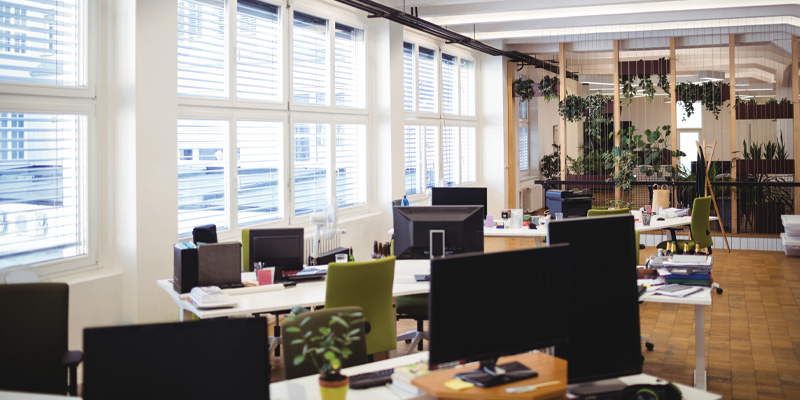
● Space Planning:
We use our expertise to create efficient and functional spaces, ensuring that every inch of your home is used to its full potential.

● Furniture Design:
We can design customized furniture that fits your specific needs and complements the overall design of your space.

● Lighting Design:
Our designers can help you create the perfect lighting scheme that
highlights the best features of your home while creating a warm and inviting ambiance.

● Color Consultation:
Our team can help you select the right colors that complement your personal style and the overall design of your home.

FAQs

What areas do you serve?
We serve the entire Bangalore region and its surrounding areas.

How long does the design and manufacturing process take?
The design and manufacturing process can vary depending on the scope of the project. However, we work efficiently to ensure that projects are completed as quickly as possible.

What types of materials do you use?
We use a variety of materials in our designs, including wood, metal, glass, and more. We carefully choose the materials that will work best for each project.

Can you work with my budget?
Yes, we work with a range of budgets, and we can help you find solutions that will work for you.

Conclusion

As a Residential Interior Design &  Manufacturing in Bangalore, we are passionate about creating spaces that are both functional and beautiful. With our expertise in interior design and furniture manufacturing, Desara Design can help you transform your home into a space that is uniquely yours. Whether you’re looking for a complete home renovation or just need help with a few rooms, we are here to help. Contact us today to learn more about our services and how we can help you create the home of your dreams.

Product has been added to your cart
Open chat
Hello 👋
Can we help you?